Jesintha: A Font That Elevates Every Design
When it comes to creating elegant and luxurious designs, the choice of font can make all the difference. Jesintha, a formal script font, stands out for its graceful curves and refined appearance, making it an ideal choice for wedding invitations, magazine layouts, social media graphics, restaurant menus, and more. Whether you're a designer, marketer, or simply someone looking to elevate their personal branding, understanding how to use Jesintha effectively can transform your projects from good to exceptional.
What Is Jesintha?
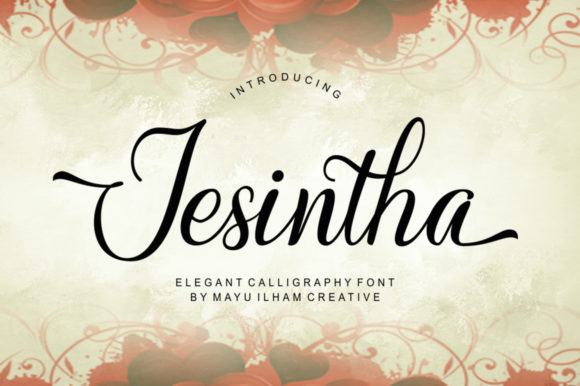
Jesintha is a beautifully crafted script font that exudes elegance and sophistication. Its flowing lines and carefully designed characters give it a timeless appeal, suitable for both traditional and modern design aesthetics. This font is particularly popular among those who want to add a touch of luxury without sacrificing readability.
Designed with attention to detail, Jesintha is perfect for headings, logos, and any text where a sense of refinement is desired. It’s widely used in high-end branding, editorial design, and event materials due to its ability to convey exclusivity and class.
Why People Choose Jesintha
- Elegance: The font's soft curves and fluid strokes create a visually pleasing effect that adds a touch of sophistication to any design.
- Versatility: While primarily a script font, Jesintha can be adapted for various uses, from formal invitations to casual social media posts.
- Professional Appeal: Its clean yet artistic look makes it a favorite among designers and businesses aiming to present a premium image.
Common Mistakes When Using Jesintha
Despite its popularity, many users make common mistakes when incorporating Jesintha into their designs. These errors can affect the overall quality and effectiveness of the final product.
Mistake 1: Overusing the Font
One of the most frequent mistakes is using Jesintha for too much text. Since it is a script font, it works best for short phrases or headlines. Applying it to large blocks of text can reduce readability and overwhelm the viewer.
Better Approach: Reserve Jesintha for titles, taglines, or key messages. For body text, opt for a more legible sans-serif or serif font to maintain clarity and professionalism.
Mistake 2: Ignoring Spacing and Kerning
Script fonts like Jesintha require careful attention to spacing and kerning. Incorrect spacing can make the text look cluttered or unbalanced, which detracts from the intended elegance.
Better Approach: Always adjust the spacing between letters and words manually, especially when using longer phrases. Most design software offers tools to fine-tune these settings, ensuring a polished result.
Mistake 3: Not Matching the Font with the Right Color
The color of the text plays a crucial role in how Jesintha is perceived. Using the wrong color can either clash with the design or make the font less readable.
Better Approach: Stick to neutral or muted tones such as black, navy blue, or deep burgundy. These colors complement the font’s style and enhance its luxurious feel. Avoid bright or garish colors that may distract from the message.
How to Choose the Right Style of Jesintha
Jesintha comes in different styles and variations, each suited for specific purposes. Choosing the right one depends on the context and the overall design theme.
If you're designing a wedding invitation, a more ornate version of Jesintha might be appropriate. However, for a business card or website header, a simpler and cleaner variant would be more effective.
Tips for Selecting the Right Style:
- Consider the occasion and the audience.
- Look at the surrounding design elements to ensure harmony.
- Test different versions of the font in your layout before finalizing.
Practical Advice for Using Jesintha Effectively
To get the most out of Jesintha, it's essential to follow some practical guidelines that will help you avoid common pitfalls and achieve the best results.
Tip 1: Use It Sparingly
As mentioned earlier, Jesintha should be used sparingly. Limit it to headers, logos, or call-out sections rather than lengthy paragraphs.
Tip 2: Pair It with Complementary Fonts
To maintain balance, pair Jesintha with a contrasting font for body text. A bold sans-serif font can provide a strong contrast while keeping the design visually appealing.
Tip 3: Ensure Readability
Even though Jesintha looks elegant, it must remain readable. Avoid using it in small sizes or low-contrast environments, as this can make the text difficult to read.
Final Thoughts on Jesintha
Jesintha is more than just a font—it’s a tool that can elevate your design work to new heights. With its elegant and luxurious style, it’s a versatile asset for anyone looking to create professional and aesthetically pleasing content.
By understanding how to use it effectively and avoiding common mistakes, you can ensure that your designs not only look great but also communicate your message clearly and professionally. Whether you're designing a wedding invitation, a restaurant menu, or a social media post, Jesintha can help you achieve a level of sophistication that sets your work apart.