Delphia: A Timeless Script Font for Modern Design and Communication
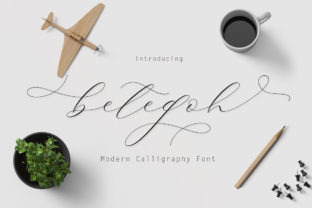
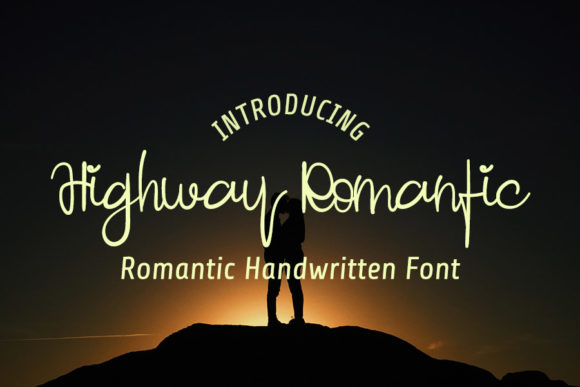
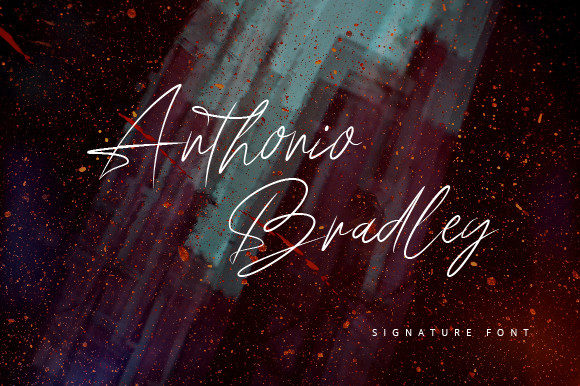
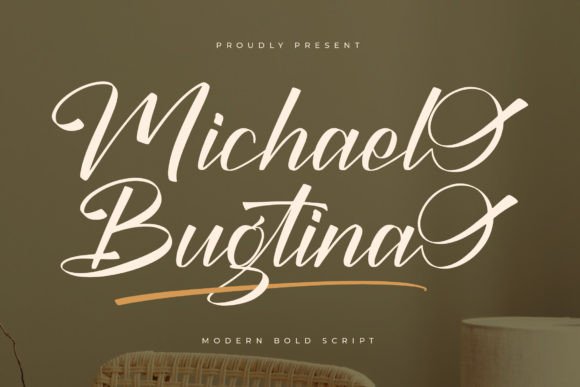
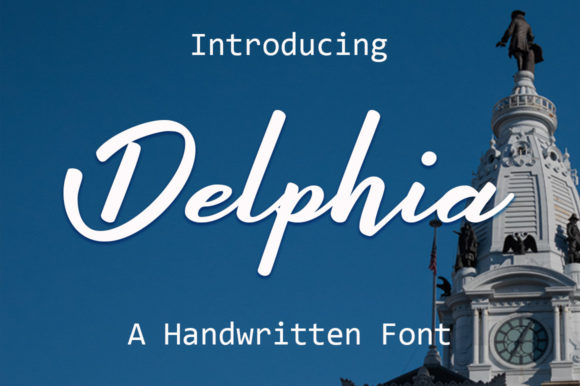
Delphia is an elegant script font that bridges the gap between traditional calligraphy and modern design. Inspired by timeless classic calligraphy, it offers a balanced and varied form that is neither too thin nor too thick. This font is designed to enhance the beauty of your projects, whether you're working on branding materials, digital content, or print media. Its contemporary atmosphere and impeccable form make it a versatile choice for professionals, creators, and anyone looking to elevate their visual communication.
Understanding Delphia’s Role in Design Workflows
Incorporating Delphia into your design workflow can significantly impact the overall aesthetic of your work. It is not just a font; it's a tool that can be strategically used at different stages of a project. Before starting any design task, consider how Delphia will complement your brand identity or message. Its clean lines and refined curves are ideal for headings, logos, and other elements where a touch of elegance is desired.
During the design process, Delphia can be used to create a cohesive look across various platforms. Whether you're designing a website, social media graphics, or marketing collateral, using this font consistently helps maintain a professional appearance. It pairs well with sans-serif fonts for body text, ensuring readability while still maintaining a stylish edge.
After completing your project, reviewing the use of Delphia ensures that it aligns with your intended outcome. You might want to check if the font enhances the message or if adjustments are needed for better clarity and impact. This reflective stage is crucial for quality control and long-term usability of your design.
Practical Applications of Delphia in Different Contexts
Delphia's versatility makes it suitable for a wide range of applications. Here are some practical examples of how it can be integrated into various contexts:
- Branding and Marketing: Use Delphia for logos, taglines, and promotional materials to convey sophistication and professionalism.
- Web Design: Apply it for headings, buttons, and call-to-action elements to add visual interest without compromising usability.
- Print Media: Incorporate it into invitations, brochures, and business cards for a polished and elegant finish.
- Content Creation: Bloggers and educators can use Delphia in titles and headers to draw attention and improve engagement.
- Business Presentations: Add a touch of class to slides and reports by using Delphia for key points and headings.
Each application requires careful consideration of compatibility and consistency. For instance, when using Delphia in web design, ensure that it loads efficiently and displays correctly across different devices and browsers. Similarly, when printing, verify that the font maintains its quality at various sizes and resolutions.
Integrating Delphia with Other Tools and Resources
Delphia works seamlessly with a variety of design tools and platforms. Popular graphic design software like Adobe Photoshop, Illustrator, and InDesign support this font, allowing for precise customization and application. Online tools such as Canva and Figma also offer Delphia, making it accessible for users who prefer digital workflows.
When integrating Delphia with other assets, consider the overall color scheme, layout, and typography hierarchy. Pairing it with complementary fonts and colors ensures a harmonious design. For example, using Delphia alongside a modern sans-serif font can create a balanced contrast that enhances readability and visual appeal.
Additionally, Delphia can be paired with other resources such as stock images, icons, and templates to streamline your workflow. Many design marketplaces offer pre-made templates that include Delphia, saving time and effort in the creative process.
Implementation Tips for Optimal Results
To achieve the best results with Delphia, follow these implementation tips:
- Plan Ahead: Before starting a project, decide where Delphia will be used and how it will interact with other design elements. This helps avoid last-minute changes and ensures a cohesive final product.
- Test Compatibility: Check how Delphia appears on different devices and screen sizes. Ensure that it remains legible and visually appealing across all platforms.
- Maintain Consistency: Use Delphia consistently throughout your project to maintain a unified look and feel. Avoid overusing it, which can lead to clutter and reduce readability.
- Optimize for Efficiency: Organize your design files and assets to streamline the workflow. Group similar elements together and use layers effectively to manage complexity.
- Review and Refine: After completing your project, review the use of Delphia to ensure it meets your goals. Make necessary adjustments to improve clarity, impact, and overall aesthetics.
By following these tips, you can ensure that Delphia is used effectively and efficiently in your projects. This approach not only enhances the visual appeal but also contributes to the overall success of your design work.
Long-Term Use and Quality Control
For long-term use, it's important to establish guidelines for using Delphia consistently across different projects. This includes defining specific scenarios where the font should be used and ensuring that it aligns with your brand identity or message.
Quality control is another essential aspect of using Delphia over time. Regularly review your work to ensure that the font continues to meet your standards. This includes checking for any inconsistencies in usage, verifying compatibility with new tools or platforms, and updating your design assets as needed.
Additionally, staying updated with new versions or variations of Delphia can help you take advantage of improvements and enhancements. Many font designers release updates that address bugs, improve performance, or add new features, so keeping up to date ensures that you're always using the best version available.
Finally, consider sharing your experiences and insights about using Delphia with others in your field. This can help build a community around the font and provide valuable feedback for future improvements.