Anthonio Bradley: A Refined Script Font for Modern Design
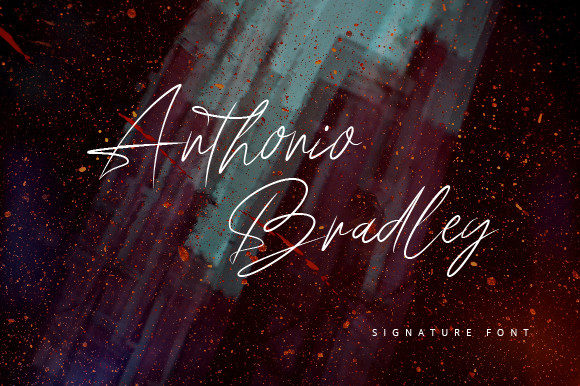
Anthonio Bradley is more than just a font—it’s a statement. With its thin and refined script style, this elegant typeface brings a touch of sophistication to any design project. Whether you're crafting a logo, designing wedding invitations, or creating social media content, Anthonio Bradley offers a classy and modern aesthetic that stands out without being over the top.
Many designers and creators are drawn to Anthonio Bradley because of its versatility and clean lines. It blends traditional script charm with contemporary minimalism, making it a favorite among professionals in branding, marketing, and graphic design. But like any tool, using Anthonio Bradley effectively requires understanding its strengths and potential pitfalls.
Why Choose Anthonio Bradley?
Anthonio Bradley is ideal for projects that require a balance between elegance and readability. Its thin strokes give it a delicate feel, while its structure ensures legibility even at smaller sizes. This makes it perfect for logos, where clarity is key, and for stationery, where a personal touch matters.
Its modern look also makes it suitable for digital use. Social media posts, blog headers, and website banners can benefit from the subtle flair of Anthonio Bradley without overwhelming the viewer. It's a great choice for brands aiming to convey professionalism with a hint of personality.
Common Mistakes When Using Anthonio Bradley
While Anthonio Bradley is visually appealing, there are common mistakes that can diminish its effectiveness. One frequent error is using it in inappropriate contexts. For example, applying it to long blocks of text can make reading difficult due to its script nature. This can lead to confusion and reduce the overall impact of the message.
Another mistake is not considering contrast when pairing Anthonio Bradley with other fonts. Using it alongside another script font may create visual clutter, whereas combining it with a sans-serif or serif font can enhance readability and balance.
Some users also overlook the importance of spacing and kerning. Because of its thin strokes, proper spacing is crucial to maintain the font's elegance. Neglecting this can result in a messy or unprofessional appearance.
How to Avoid These Mistakes
To ensure Anthonio Bradley looks its best, start by limiting its use to short phrases or headings. Reserve it for titles, taglines, and captions rather than body text. This helps preserve readability while still showcasing the font's beauty.
When choosing complementary fonts, opt for ones that provide contrast. Pairing Anthonio Bradley with a bold sans-serif font can create a striking visual effect, especially in branding materials or posters.
Always take time to adjust spacing and kerning. Most design software includes tools to fine-tune these settings, ensuring your text appears polished and professional. Don’t be afraid to experiment with different spacing options to find the one that feels most natural.
What to Check Before Using Anthonio Bradley
Before committing to Anthonio Bradley for a project, consider several factors. First, evaluate the platform or medium where the font will be used. Some script fonts may not render well on certain devices or screen sizes, so testing across different environments is essential.
Next, check the licensing terms. If you're using Anthonio Bradley for commercial purposes, ensure you have the appropriate license to avoid legal issues. Many free fonts come with restrictions that limit their use in professional settings.
Finally, assess how the font aligns with your brand identity. While Anthonio Bradley is versatile, it may not suit every brand or audience. Consider the tone of your message and whether the font enhances or detracts from it.
Realistic Examples and Better Approaches
For instance, if you're designing a wedding invitation, using Anthonio Bradley for the main title and a clean sans-serif font for the details creates a balanced and elegant layout. This approach keeps the focus on the event while maintaining readability.
If you're working on a website header, using Anthonio Bradley as the primary font with a contrasting secondary font for navigation links can improve both aesthetics and usability. This combination draws attention to important elements without causing visual fatigue.
On the other hand, using Anthonio Bradley for a long paragraph in a blog post can be problematic. In such cases, a more readable font like Arial or Helvetica would be a better choice, with Anthonio Bradley reserved for headings or accents.
Conclusion
Anthonio Bradley is a powerful tool for designers and creators who want to add a touch of class to their work. By understanding its characteristics and avoiding common mistakes, you can ensure that your designs remain both stylish and effective.
Whether you're working on branding, invitations, or digital content, taking the time to use Anthonio Bradley thoughtfully will help you achieve professional results that stand out. Remember, the goal is not just to look good but to communicate clearly and effectively through your design choices.