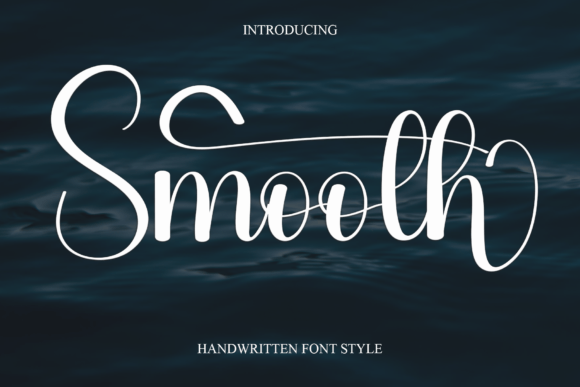
Smooth Font
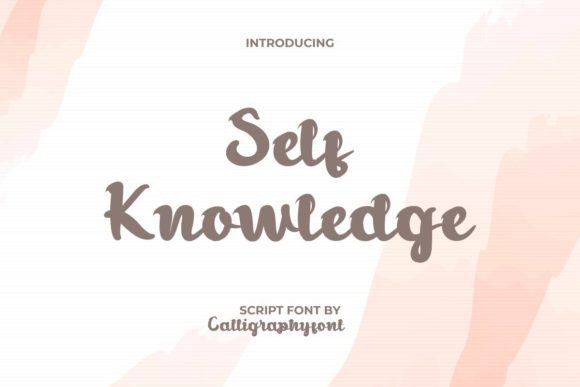
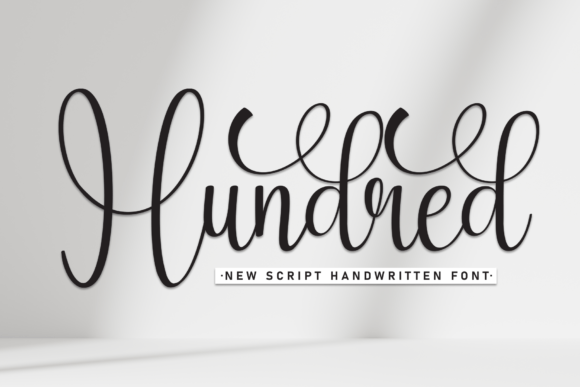
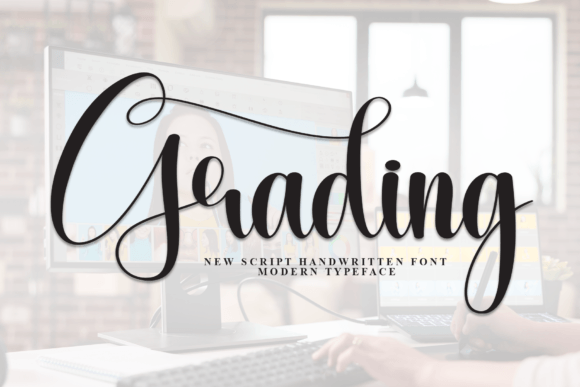
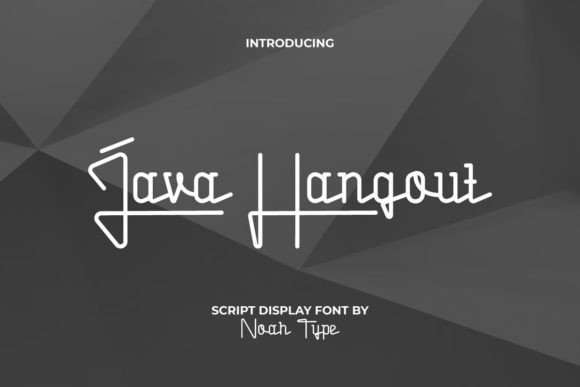
Smooth is a stylish and incredibly elegant script font that brings a touch of sophistication to any design. Its flowing curves and graceful lines make it perfect for projects that require a handwritten feel without sacrificing professionalism. Whether you're designing wedding invitations, thank you cards, or branding materials, Smooth adds a personal and artistic flair that stands out.
Real-World Uses of Smooth
Smooth's versatility makes it a go-to choice for various creative applications. Here are some common scenarios where it shines:
- Wedding Invitations: The elegance of Smooth makes it ideal for creating beautiful, personalized wedding invites that feel both romantic and refined.
- Thank You Cards: A handwritten look on thank you cards can convey sincerity and thoughtfulness, and Smooth delivers this effortlessly.
- Greeting Cards: From birthday cards to holiday greetings, Smooth adds charm and warmth to every message.
- Logos: Brands looking for a unique identity often choose Smooth for its distinctiveness and ability to stand out in a crowd.
- Business Cards: A well-designed business card with Smooth can leave a lasting impression and help establish a memorable brand presence.
- Quotes and Inspirational Text: Smooth works beautifully when used to highlight quotes or motivational phrases, making them more engaging and visually appealing.
Who Benefits from Using Smooth?
Smooth appeals to a wide range of users, each finding value in different ways:
- Event Planners: They use Smooth to create eye-catching invitations and promotional materials that reflect the theme and tone of an event.
- Graphic Designers: Designers appreciate Smooth for its adaptability across various media, from print to digital platforms.
- Small Business Owners: Incorporating Smooth into branding elements like logos or packaging helps small businesses appear more professional and approachable.
- Wedding Planners: This font is a favorite among wedding planners who want to ensure their clients receive invitations that match the elegance of their big day.
- Freelancers: Freelancers often use Smooth on their business cards and websites to present themselves as creative and trustworthy.
- Students and Educators: Teachers might use Smooth for classroom materials or certificates, while students could use it for creative projects or presentations.
Practical Considerations Before Using Smooth
While Smooth is versatile, there are a few things to consider before using it in your designs:
- Legibility: Although Smooth is elegant, it's important to ensure that the text remains readable, especially in smaller sizes or on screens with lower resolution.
- Color Contrast: Pairing Smooth with the right colors is crucial. Darker shades on light backgrounds tend to work best for maximum visibility.
- Font Pairing: To maintain balance in your design, consider pairing Smooth with a sans-serif font for body text, which provides a good contrast and improves readability.
- Application Medium: Smooth looks great in print but may require careful handling in digital formats to avoid issues with rendering or scaling.
- License Restrictions: Always check the licensing terms of the font to ensure it's appropriate for your intended use, whether for personal or commercial purposes.
Strengths and Limitations of Smooth
Smooth has several strengths that make it a popular choice for designers and creatives:
- Elegance and Style: Its fluid, handwritten appearance gives any project a sense of sophistication and artistry.
- Versatility: It can be used in a variety of contexts, from formal to casual, making it suitable for many different types of projects.
- Timeless Appeal: The classic look of Smooth ensures that it remains relevant across different trends and design eras.
However, there are also some limitations to be aware of:
- Limited Use Cases: While Smooth excels in decorative and stylistic applications, it may not be the best choice for large blocks of text or highly technical content where clarity is essential.
- Learning Curve: For those new to typography, choosing the right size, spacing, and color combinations with Smooth might take some experimentation.
- Availability: Depending on the platform or software being used, access to Smooth may be restricted or require purchase, which can be a barrier for some users.
How to Get the Most Out of Smooth
To maximize the impact of Smooth in your designs, consider these tips:
- Experiment with Layouts: Try different layouts and placements to see how Smooth interacts with other design elements.
- Use in Moderation: Overusing Smooth can lead to visual clutter. Reserve it for headings, titles, or short phrases rather than long paragraphs.
- Test Across Devices: Ensure that Smooth looks good on all devices, including mobile phones and tablets, by testing your designs in different resolutions.
- Stay Updated: Keep an eye out for new versions or updates to Smooth that may enhance its performance or add new features.
By understanding the strengths and limitations of Smooth, you can confidently incorporate it into your projects and create designs that are both beautiful and functional.