Grading: A Stylish Script Font for Elegant Design Projects
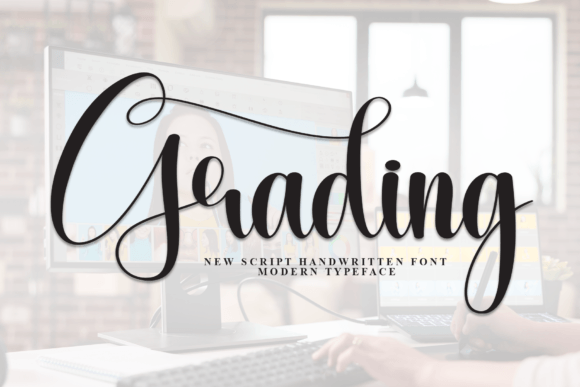
Grading is a script font that has gained popularity among designers and creatives looking to add a personal, handwritten touch to their projects. With its elegant curves and refined appearance, Grading stands out as a versatile choice for a wide range of design applications. Whether you're creating wedding invitations, thank you cards, or business logos, this font offers a unique aesthetic that can elevate your work. In this article, we'll explore what makes Grading distinct, how it compares to other script fonts, and when it might be the right choice for your design needs.
What Makes Grading Unique?
Grading is characterized by its smooth, flowing lines and carefully crafted letterforms that mimic the look of handwriting. Unlike more rigid or decorative script fonts, Grading maintains a balance between elegance and readability. This makes it suitable for both short phrases and longer text, such as quotes or greeting card messages. The font's subtle variations in stroke width and spacing give it a natural, organic feel that feels handcrafted rather than machine-generated.
One of the standout features of Grading is its versatility. It works well across different mediums and sizes, from small text on business cards to large headings on website banners. Its clean design ensures that it remains legible even at smaller sizes, which is not always the case with more ornate script fonts. This adaptability makes Grading a practical choice for a variety of design scenarios.
Comparing Grading with Other Script Fonts
When considering script fonts, it's important to understand how they differ in style, use cases, and overall appeal. While there are many script fonts available, each has its own characteristics that make it better suited for certain purposes. Grading, for instance, differs from fonts like Brush Script or Great Vibes in terms of formality and readability.
Brush Script is known for its bold, expressive strokes and is often used for more casual or artistic designs. While it can create a strong visual impact, it may not be as readable in long blocks of text. On the other hand, Great Vibes has a more whimsical and playful feel, making it ideal for children's themes or fun greeting cards. However, it lacks the refined elegance that Grading offers.
In comparison, Grading strikes a middle ground between these two extremes. It retains the charm of a handwritten script while maintaining enough clarity to be used effectively in professional contexts. This makes it a more balanced option for those who want to convey a personal touch without sacrificing legibility or professionalism.
Strengths and Tradeoffs of Using Grading
One of the primary strengths of Grading is its ability to enhance the visual appeal of any design project. Its elegant and sophisticated look can transform simple text into something more engaging and memorable. Additionally, because it is a script font, it can help create a sense of intimacy and warmth, which is particularly valuable in personal communications like wedding invitations or thank you cards.
However, there are also some tradeoffs to consider. Script fonts, including Grading, are generally less readable than sans-serif or serif fonts, especially in larger bodies of text. This means that using Grading for extended paragraphs or body text may not be the best choice. Instead, it's most effective when used sparingly for headlines, titles, or short phrases where its stylistic qualities can shine without compromising readability.
Another consideration is that Grading may not be the best fit for all design styles. If your project requires a more modern or minimalist approach, a script font might not align with the overall aesthetic. In such cases, a sans-serif or serif font could be a more appropriate choice.
Best-Fit Situations for Grading
Grading is particularly well-suited for projects that benefit from a personal, handwritten feel. Here are some common use cases where Grading excels:
- Wedding Invitations: Grading's elegant and romantic style makes it an excellent choice for wedding invitations, where a touch of sophistication and personalization is desired.
- Thank You Cards: These cards often require a warm and heartfelt message, and Grading's soft curves and graceful letterforms can help convey that sentiment beautifully.
- Quotes and Greeting Cards: Whether you're designing a quote card or a seasonal greeting, Grading adds a unique flair that can make your message stand out.
- Logos and Branding: For businesses looking to establish a brand identity that feels personal and approachable, Grading can be a great addition to logos, especially in industries like fashion, lifestyle, or creative services.
- Business Cards: A well-designed business card can leave a lasting impression, and Grading can help create a card that feels both professional and distinctive.
These examples illustrate how Grading can be adapted to various design contexts, but it's important to choose it based on the specific needs of your project.
When to Consider Alternatives to Grading
While Grading is a fantastic choice for many design applications, there are situations where it may not be the best fit. For example, if you're working on a project that requires high levels of readability, such as a brochure, website content, or a report, a more traditional font like Arial or Times New Roman would be more appropriate.
Additionally, if your design calls for a more modern or futuristic look, you may want to explore other font categories, such as sans-serif or geometric sans-serif fonts. These types of fonts are typically more legible and can be more suitable for digital interfaces or corporate branding.
It's also worth noting that some script fonts may have licensing restrictions that limit their use in commercial projects. Before selecting Grading for a professional design, it's essential to review the font's licensing agreement to ensure that it meets your specific needs.
Conclusion
Grading is a stylish and elegant script font that offers a perfect blend of beauty and functionality. Its versatility allows it to be used in a wide range of design projects, from personal communications to professional branding. While it may not be the best choice for every situation, it is an excellent option for those looking to add a handwritten touch to their work. By understanding its strengths, limitations, and best-fit applications, you can make an informed decision about whether Grading is the right font for your next design project.