Baked Toast: A Handdrawn Script Font for Modern Design Projects
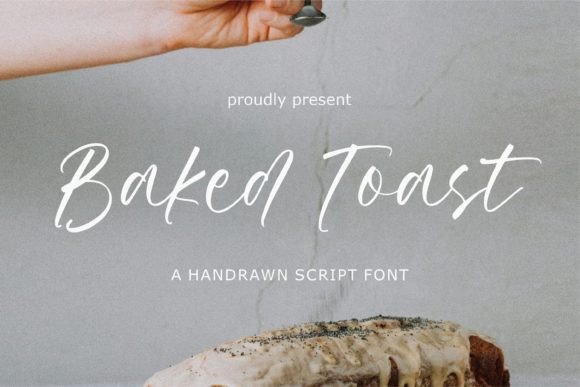
Baked Toast is a handdrawn script font that brings a natural, organic feel to design projects. Its unique character and modern, handwritten style make it an appealing choice for designers looking to add a personal touch to their work. Whether you're creating logos, branding materials, or invitations, Baked Toast offers a versatile solution that can elevate your visual communication.
What Makes Baked Toast Distinct?
Baked Toast stands out due to its carefully crafted design, which mimics the fluidity of handwriting while maintaining readability. Unlike more rigid or formal script fonts, Baked Toast has a relaxed, almost imperfection that gives it a warm and approachable feel. This makes it particularly well-suited for projects where a sense of authenticity and individuality is desired.
The font's natural curves and subtle variations in stroke thickness contribute to its distinctiveness. These features are not always present in other script fonts, which can sometimes appear too uniform or stylized. Baked Toast's design allows for a more human-like expression, making it ideal for content that needs to feel personal or conversational.
Comparing Baked Toast with Similar Script Fonts
When considering script fonts, several options come to mind, such as Great Vibes, Pacifico, and Playfair Display. Each of these fonts has its own strengths and use cases, but Baked Toast offers a unique balance between formality and informality.
Great Vibes is another popular script font known for its elegant and flowing style. However, it tends to be more ornate and less suited for longer text passages. In contrast, Baked Toast maintains clarity even when used for extended text, making it a more practical choice for body copy in designs like cards or brochures.
Pacifico is a casual, rounded script font that's often used for headlines and short phrases. While it shares some similarities with Baked Toast in terms of approachability, Baked Toast offers a slightly more refined look that works well across a broader range of applications.
Playfair Display is a serif font that is more formal and structured compared to Baked Toast. It's excellent for print media and high-end branding but lacks the personal touch that Baked Toast provides. If the goal is to create a more intimate or friendly tone, Baked Toast may be the better option.
Strengths and Tradeoffs of Using Baked Toast
Baked Toast excels in situations where a designer wants to convey warmth, creativity, and personality. Its versatility allows it to be used in a variety of contexts, from digital media to print. For instance, it can be used effectively in social media graphics, wedding invitations, or even packaging design.
However, there are tradeoffs to consider. Because Baked Toast is a script font, it may not be the best choice for long blocks of text. The irregular spacing and variation in letterforms can make reading difficult if used improperly. Additionally, it may not be suitable for all professional settings, especially those that require a more formal or traditional appearance.
Another consideration is legibility at smaller sizes. While Baked Toast is generally readable, it may become challenging to read on screens or in print when scaled down. Designers should test the font at various sizes and ensure it remains clear and legible in the intended context.
Best-Fit Situations for Baked Toast
Baked Toast is most effective in scenarios where a personal and creative tone is desired. Here are a few examples of how it can be applied:
- Branding and Logos: Baked Toast can help create a brand identity that feels authentic and relatable. It works well for businesses that want to appear friendly, approachable, or artistic.
- Invitations and Cards: Wedding invitations, birthday cards, and thank-you notes benefit from the warm and inviting nature of Baked Toast. It adds a personal flair that makes the message feel more heartfelt.
- Social Media Graphics: The font's modern and casual style makes it perfect for Instagram posts, Facebook banners, or Twitter headers that need to stand out without being too formal.
- Product Packaging: For products targeting younger audiences or niche markets, Baked Toast can be used to create eye-catching labels and packaging that reflect the brand's personality.
These use cases highlight how Baked Toast can be tailored to fit different design goals while maintaining its core appeal.
When to Consider Alternatives
While Baked Toast is a strong option in many scenarios, there are instances where other fonts may be more appropriate. For example, if the project requires a highly formal or professional tone, a serif font like Georgia or Times New Roman might be more suitable. Similarly, for technical documents or reports, a sans-serif font like Arial or Helvetica would be a better choice due to its clean and readable design.
In cases where the text needs to be highly legible at small sizes, such as in mobile app interfaces or website menus, a more structured font may be necessary. Baked Toast's organic feel could lead to readability issues in these contexts.
Designers should also consider the target audience when choosing a font. If the project is aimed at a younger demographic or a more casual market, Baked Toast could be a great fit. However, for more conservative or traditional audiences, a different font might be more appropriate.
Conclusion
Baked Toast is a handdrawn script font that offers a unique blend of natural charm and modern design. Its versatility makes it suitable for a wide range of applications, from branding to invitations. While it may not be the best choice for every project, it is an excellent option for those looking to add a personal and creative touch to their designs.
By understanding the strengths and limitations of Baked Toast, designers can make informed decisions about whether it is the right font for their specific needs. When used appropriately, it can enhance the visual appeal of a design while conveying the desired tone and message.