Autobiography: A Stylish and Versatile Script Font for Creative Projects
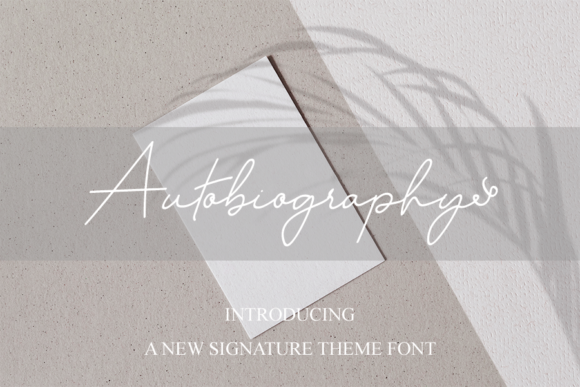
The Autobiography font is a highly detailed and elegantly crafted script typeface that has gained popularity among designers, writers, and creative professionals. Its unique characteristics make it a valuable addition to any font library, offering versatility across a wide range of applications. Whether you're designing a logo, creating marketing materials, or adding a personal touch to your digital content, the Autobiography font can elevate your work with its refined appearance and readability.
What Makes Autobiography Stand Out?
Autobiography is more than just another script font; it's a carefully designed tool that blends artistic flair with functional clarity. Unlike some script fonts that can be difficult to read, especially in smaller sizes, Autobiography maintains a balance between elegance and legibility. The letterforms are neatly constructed with consistent stroke widths and well-proportioned characters, making it suitable for both decorative and professional use.
One of the key features of Autobiography is its ability to convey a sense of personality. The fluidity of the script gives it a hand-written feel, which can be particularly effective for branding that aims to appear personal or authentic. This makes it an excellent choice for businesses looking to create a warm and approachable image.
Design Elements That Define Autobiography
- Consistency: The font maintains uniformity in its design, ensuring that even when used in long passages, it remains visually appealing and easy to follow.
- Legibility: Despite being a script font, Autobiography does not sacrifice readability. It is designed to be clear even at smaller sizes, which is crucial for practical applications like body text.
- Versatility: The font works well in both digital and print formats, making it a flexible option for various projects.
- Personal Touch: The flowing lines and elegant curves give it a handwritten appearance, which can add a unique character to your designs.
Comparing Autobiography with Other Script Fonts
While there are many script fonts available, each with its own distinct style, Autobiography offers a balanced approach that sets it apart from others. For instance, compared to more ornate or cursive fonts, Autobiography is less likely to become overwhelming in dense text. It also differs from simpler sans-serif or serif fonts by providing a more dynamic visual presence without compromising on functionality.
When comparing Autobiography with other popular script fonts such as Curlz MT or Garamond Premier Pro, it becomes evident that Autobiography occupies a middle ground. It is not as elaborate as Curlz MT but more refined than some basic script options. This makes it a great alternative for those who want something more sophisticated than a standard script font but not as intricate as a fully decorative one.
When to Choose Autobiography Over Alternatives
Autobiography is ideal for situations where a designer needs a font that is both stylish and readable. It is particularly well-suited for:
- Branding Materials: Logos, business cards, and social media headers benefit from the font's elegant yet approachable look.
- Marketing Collateral: Brochures, flyers, and promotional posters can take advantage of its visual appeal while maintaining readability.
- Personal Projects: Blogs, greeting cards, and personal websites often use this font to create a more intimate and engaging experience for readers.
- Digital Content: Web banners, email signatures, and online advertisements can incorporate Autobiography to enhance their aesthetic appeal without sacrificing clarity.
However, it is important to recognize that Autobiography may not be the best choice for every situation. In cases where extreme formality is required, or where minimalism is preferred, other fonts might be more appropriate. Additionally, if a project requires a very specific historical or cultural reference, there may be other fonts that better align with those requirements.
Strengths and Tradeoffs of Using Autobiography
Like any font, Autobiography has its own set of advantages and limitations. Understanding these can help you determine whether it is the right fit for your project.
Strengths:
- Visual Appeal: The font's elegant and flowing design adds a level of sophistication to any design project.
- Readability: Despite its script style, Autobiography remains highly legible, making it suitable for longer texts.
- Adaptability: It can be used in a variety of contexts, from formal documents to casual designs.
- Professional Quality: The attention to detail in its construction ensures that it meets high standards of typographic quality.
Tradeoffs:
- Limited Use in Technical Documents: While it is readable, it may not be the best choice for technical or academic writing where a more neutral font is preferred.
- Less Suitable for Small Text Sizes: Although it performs well in most sizes, it may not be as effective in extremely small text, where legibility could be compromised.
- Not Ideal for All Languages: As with many script fonts, Autobiography may not support all languages or special characters, which could be a limitation in multilingual projects.
Real-World Examples of Autobiography in Action
To better understand how Autobiography can be used effectively, consider the following examples:
Example 1: Brand Identity
A boutique clothing store might use Autobiography in its logo and website design to create a sense of charm and individuality. The font's soft curves and elegant strokes reflect the brand's focus on style and comfort, helping to attract a target audience that values aesthetics and personality.
Example 2: Event Invitations
Wedding invitations or birthday cards that feature Autobiography can create a more personal and heartfelt impression. The font's hand-written feel adds warmth and authenticity, making the event feel more special and memorable.
Example 3: Digital Marketing
For a blog or online magazine, using Autobiography in headlines or call-out sections can draw attention and create a visually engaging layout. It helps break up large blocks of text and adds a touch of creativity without overwhelming the reader.
Deciding Whether Autobiography Is Right for You
Choosing the right font depends on several factors, including the purpose of your project, the target audience, and the overall design aesthetic you want to achieve. If you're looking for a font that combines beauty with practicality, Autobiography is an excellent option. However, if your project requires a more traditional or minimalist approach, you may need to consider other alternatives.
It's also worth considering how the font will be used in different contexts. For example, while Autobiography works well in print, it may not be the best choice for mobile displays where screen size and resolution can affect readability. Similarly, if you're working on a document that needs to be accessible to a wide audience, including those with visual impairments, you may need to prioritize fonts that are easier to read at smaller sizes.
In conclusion, Autobiography is a versatile and stylish font that can enhance a wide range of creative projects. Its blend of elegance and readability makes it a strong candidate for anyone looking to add a personal and professional touch to their designs. By understanding its strengths and limitations, you can make an informed decision about whether it's the right choice for your needs.