Hostage: A Stylish and Dainty Script Font for Creative Projects
If you're looking for a font that brings elegance, charm, and personality to your designs, Hostage is a name worth knowing. This dainty script font has gained popularity among designers, marketers, and creatives who need a touch of sophistication in their work. Whether you're designing logos, branding materials, labels, or special event invitations, Hostage can elevate your visuals with its graceful curves and refined style.
What Is Hostage?
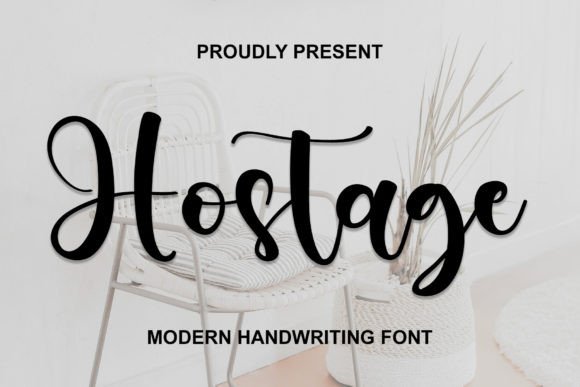
Hostage is a stylish and dainty script font designed to add a sense of beauty and character to any project. Its delicate strokes and elegant letterforms make it ideal for use in branding, marketing, photography, and more. The font is PUA encoded, which means you can easily access all the glyphs and swashes using any standard font editor or design software like Adobe Illustrator or Photoshop.
This makes Hostage not only visually appealing but also highly functional. Designers can customize each character to suit their needs without the hassle of extra plugins or complicated workflows.
Why People Love Hostage
The appeal of Hostage lies in its versatility and aesthetic appeal. It's perfect for creating a warm, personal feel in logos, social media graphics, wedding invitations, and even packaging designs. The font’s dainty appearance gives it a soft, feminine vibe, which is why many designers use it for fashion brands, lifestyle businesses, and creative agencies.
Additionally, because it's a script font, it works well for handwritten-style text, making it an excellent choice for watermarks, quotes, and signature elements. Its readability is maintained despite its flowing style, ensuring that your message remains clear and professional.
Common Mistakes When Using Hostage
While Hostage is a beautiful and versatile font, there are some common mistakes that users often make when incorporating it into their projects. Understanding these pitfalls can help you avoid unnecessary headaches and ensure that your final design looks polished and professional.
Mistake 1: Overusing Hostage
One of the most common mistakes is using Hostage too frequently in a single design. While it's a great font for accents and highlights, overuse can lead to cluttered and confusing layouts. For example, if you use Hostage for both headlines and body text, it may become difficult to read and lose its visual impact.
Better Approach: Reserve Hostage for key elements such as titles, taglines, or call-to-action buttons. Pair it with a clean sans-serif or serif font for body text to maintain balance and readability.
Mistake 2: Ignoring Readability
Script fonts can be tricky to read, especially in small sizes or low-contrast settings. Some users may overlook this issue and end up with text that's hard to decipher. This can affect the effectiveness of your message and reduce user engagement.
Better Approach: Always test your design at different sizes and on various backgrounds. Ensure that Hostage is used in contexts where it can be clearly read, such as larger headings or short phrases. Avoid using it for long paragraphs or small text elements.
Mistake 3: Not Checking Glyphs and Swashes
Since Hostage is PUA encoded, it comes with a range of special characters, ligatures, and swashes. However, many users don’t take the time to explore these features, missing out on the full potential of the font.
Better Approach: Take the time to explore the glyph panel in your design software. Experiment with different swashes and ligatures to find the right look for your project. This will allow you to create unique and eye-catching designs that stand out.
What to Check Before Using Hostage
Before deciding to use Hostage in your next project, there are a few things you should consider to ensure that it meets your needs and expectations.
- Licensing: Make sure you have the correct license for the font. Some fonts are only available for personal use, while others require a commercial license for business purposes.
- Compatibility: Check that Hostage is compatible with your design software. Most modern tools support PUA-encoded fonts, but it's always good to confirm before purchasing.
- Font Quality: Look for reviews and samples of Hostage to ensure that it meets your quality standards. High-quality fonts will have consistent spacing, stroke weight, and overall design integrity.
- Design Context: Consider how Hostage will look in the context of your overall design. Will it complement other elements or clash with them? A cohesive design is essential for a professional finish.
Conclusion
Hostage is a versatile and stylish script font that can enhance the visual appeal of your projects. With its elegant design and PUA encoding, it offers both beauty and functionality. By avoiding common mistakes and understanding what to check before using it, you can ensure that Hostage becomes a valuable asset in your creative toolkit.
Whether you're a beginner or a seasoned designer, Hostage is worth exploring for any project that requires a touch of sophistication and charm. Use it wisely, and you'll be able to create stunning designs that leave a lasting impression.