Caturiver: A Vintage Script Font for Timeless Design
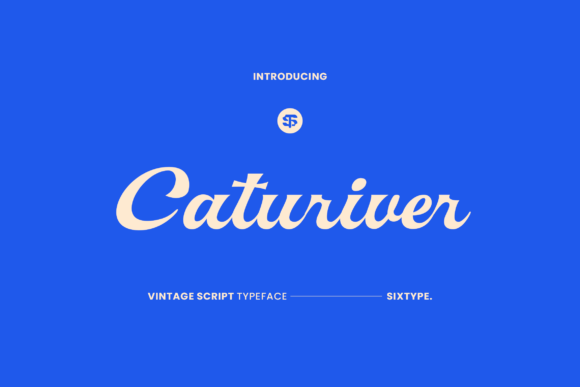
Caturiver is a vintage script font that evokes the charm of the past, offering designers a tool to infuse their projects with nostalgic appeal. This font is crafted with meticulous attention to detail, capturing the essence of handwritten communication from bygone eras. Its flowing characters resemble those found in love letters and formal invitations, making it an appealing choice for creative professionals seeking to add a touch of authenticity to their work.
Designed for versatility, Caturiver can be used across various design applications, including retro logos, signage, apparel, and packaging. Its PUA encoding allows users easy access to a wide range of glyphs and ligatures, enhancing the font's functionality and aesthetic potential.
Why Consider Caturiver?
There are several reasons why someone might be interested in using Caturiver. For one, its vintage aesthetic can help differentiate a project from modern, minimalist designs. It brings a sense of history and character that can resonate with audiences looking for something more personal or authentic.
Additionally, the font's fluidity and elegance make it suitable for a variety of typographic needs. Whether you're designing a wedding invitation or creating a brand identity that leans into retro themes, Caturiver provides a consistent and visually pleasing option.
Benefits of Using Caturiver
- Vintage Appeal: The font's design harks back to traditional script styles, adding a nostalgic feel to any project.
- Rich Character Set: With PUA encoding, users can easily access special glyphs and ligatures, giving them greater control over typography.
- Versatility: Suitable for multiple applications such as logos, signage, and packaging, making it a valuable asset for designers working on diverse projects.
- Timeless Style: The font's timeless nature ensures it remains relevant and stylish across different design trends.
Considerations and Tradeoffs
While Caturiver offers many benefits, there are also some considerations to keep in mind. One tradeoff is that its vintage style may not be suitable for all contexts. For example, in highly technical or corporate environments, a more modern and clean font might be more appropriate.
Another consideration is legibility. While the font's flowing design adds visual interest, it may not be the best choice for long blocks of text where clarity is essential. In such cases, pairing Caturiver with a simpler sans-serif font could help maintain readability while still incorporating the vintage charm.
Situations Where Caturiver Excels
Caturiver is particularly well-suited for projects that benefit from a nostalgic or retro aesthetic. This includes branding for businesses that want to evoke a sense of tradition, such as antique shops or vintage-inspired cafes. It is also ideal for event-related materials like wedding invitations, birthday cards, and anniversary announcements, where a personal and heartfelt touch is desired.
In the world of packaging design, Caturiver can add a unique flair to product labels, especially for niche markets that value artisanal or handmade qualities. Similarly, it works well for signage in themed environments, such as retro-themed restaurants or boutique stores.
When Alternatives Might Be Better
Despite its strengths, there are scenarios where alternatives to Caturiver might be more effective. For instance, if a project requires a high level of readability or a more contemporary look, a modern sans-serif or serif font would likely be a better fit. These fonts are often preferred in digital interfaces, academic publications, or professional documents where clarity and formality are key.
Additionally, for multilingual projects or those requiring extensive text formatting, a font with broader language support and more comprehensive character sets may be necessary. In such cases, designers should evaluate whether Caturiver meets the specific linguistic and typographic requirements of their project.
Practical Insights for Decision-Making
When deciding whether to use Caturiver, consider the overall tone and purpose of your project. Ask yourself: Does the vintage aesthetic align with the message you want to convey? Will the font enhance the visual experience without compromising readability?
It's also important to test the font in different contexts. Try applying it to sample text and see how it looks in both short and long formats. Pairing it with other fonts can also help balance the design, ensuring that the vintage elements complement rather than overwhelm the rest of the layout.
Finally, think about the target audience. If they are drawn to classic or retro styles, Caturiver could be a strong choice. However, if the audience prefers a more modern or minimalistic approach, you may need to explore other options that better match their expectations.
By carefully evaluating these factors, you can determine whether Caturiver is the right fit for your design needs and ensure that it contributes effectively to the overall success of your project.