Histogram Casual Script Font: A Laid-Back Typographic Choice for Modern Design
The Unique Charm of Histogram
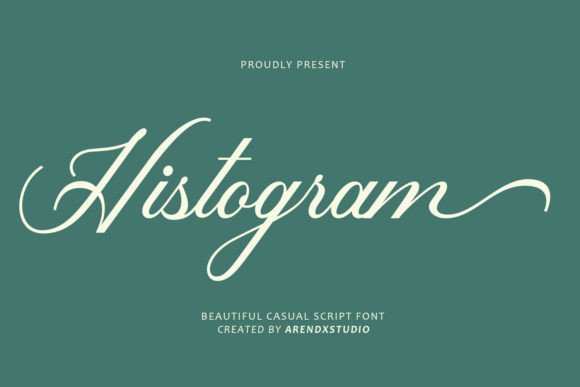
When it comes to choosing the right font for a design project, the Histogram casual script font stands out as a refreshing alternative to more formal and rigid typefaces. Designed with a relaxed and informal vibe, this font emulates the natural flow of handwritten text, making it ideal for creative applications that demand a friendly and approachable aesthetic.
Histogram features casual and flowing letterforms with smooth curves and relaxed strokes. This gives each character a sense of spontaneity and informality, which is especially appealing in projects that aim to convey warmth, authenticity, or a personal touch.
Why Choose Histogram for Your Projects?
Selecting the right font can significantly impact the overall look and feel of a design. The Histogram casual script font offers several advantages that make it a popular choice among designers, marketers, and content creators.
- Versatility: While primarily a script font, Histogram can be used in both digital and print formats. It works well in headings, logos, social media posts, and even in body text when used sparingly.
- Readability: Despite its casual nature, Histogram maintains a level of legibility that makes it suitable for a wide range of applications without compromising clarity.
- Emotional Appeal: The fluidity and organic feel of Histogram help create an emotional connection with the audience, making it perfect for branding that aims to feel personal and relatable.
For instance, if you're designing a promotional poster for a local café or a wedding invitation, Histogram could add a charming, handwritten quality that feels more authentic and less corporate.
How Histogram Fits into Modern Design Workflows
In today's fast-paced digital world, designers often need fonts that are not only visually appealing but also easy to integrate into their workflow. Histogram fits seamlessly into modern design tools like Adobe Photoshop, Illustrator, and Canva. Its clean lines and balanced proportions ensure that it looks great on both high-resolution screens and printed materials.
One of the key benefits of using Histogram is its ability to adapt to different styles and color schemes. Whether you're working on a minimalist website or a vibrant marketing campaign, this font can be customized to match your brand's identity.
Designers who prioritize user experience often find that Histogram enhances the visual hierarchy of a page. By using it for headlines or call-to-action buttons, they can draw attention while maintaining a friendly tone that encourages engagement.
Common Uses for Histogram in Different Industries
The versatility of Histogram makes it suitable for various industries and purposes. Here are some common scenarios where this font shines:
- Branding and Logo Design: The unique character of Histogram can help establish a distinct brand identity. It’s particularly effective for businesses that want to appear approachable and down-to-earth.
- Social Media Graphics: With its casual feel, Histogram is perfect for creating eye-catching captions, hashtags, and post titles that stand out in crowded feeds.
- Print Materials: From business cards to flyers, Histogram adds a personal touch that can make printed materials feel more human and less automated.
- Web Design: Used in moderation, Histogram can elevate the visual appeal of websites without overwhelming users. It works especially well in navigation menus, headers, and hero sections.
Consider a boutique clothing store looking to refresh its online presence. Incorporating Histogram into the website’s typography can help create a more inviting and youthful brand image that resonates with younger audiences.
Practical Tips for Using Histogram Effectively
To get the most out of Histogram, it's important to use it strategically. Here are a few tips to keep in mind:
- Balance with Sans Serif Fonts: Pairing Histogram with a sans serif font can create a nice contrast and improve readability, especially in longer texts.
- Use for Emphasis: Reserve Histogram for headings, subheadings, and key messages rather than using it throughout the entire text. Overuse can lead to visual clutter.
- Experiment with Color: Try different color combinations to see how Histogram interacts with your design. Warm tones like red or orange can add energy, while cooler shades like blue or green can create a calm and professional feel.
For example, if you're designing a birthday card, using Histogram for the greeting and a complementary sans serif font for the body text can create a harmonious and visually pleasing layout.
Considerations Before Adopting Histogram
While Histogram has many strengths, there are a few things to consider before incorporating it into your design projects:
Legibility at Small Sizes: Although Histogram is generally readable, it may become difficult to read when used in very small sizes. Always test your designs across different screen sizes and resolutions to ensure that the font remains clear and legible.
Font Licensing: As with any font, it's important to check the licensing agreement to ensure that you're allowed to use Histogram for commercial purposes. Some fonts require payment or have restrictions on how they can be used.
Consistency Across Platforms: Make sure that Histogram displays consistently across different devices and operating systems. If possible, preview your designs on multiple platforms to avoid unexpected rendering issues.
By keeping these considerations in mind, you can ensure that Histogram enhances your design without causing any unintended problems.