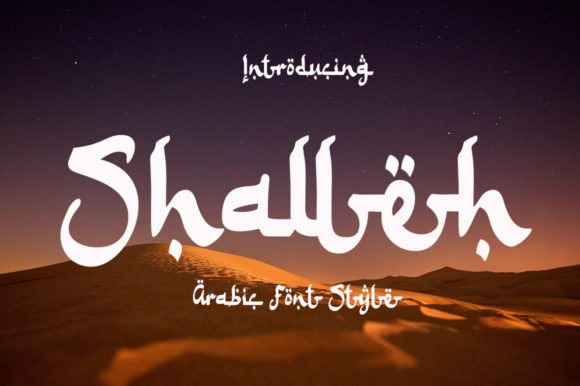
Shalleh - Arabic Style: A Bold Script Font with Strategic Design Potential
Shalleh - Arabic Style is a bold script font that draws inspiration from traditional Arabic calligraphy, offering a unique blend of elegance and strength. Designed to stand out, this font is more than just an aesthetic choice; it's a strategic tool that can enhance communication, branding, and creative expression across multiple industries.
Understanding the Strategic Value of Shalleh - Arabic Style
Fonts are not merely decorative elements—they influence perception, readability, and emotional response. Shalleh - Arabic Style brings a distinct visual identity that aligns well with projects requiring a touch of cultural richness and artistic flair. Its bold strokes and flowing curves make it ideal for capturing attention while maintaining a sense of sophistication.
For professionals in marketing, design, or publishing, the use of such a font can elevate the visual hierarchy of content, making key messages more impactful. It supports clear communication by guiding the reader’s eye through important information, which is crucial in environments where first impressions matter most.
When and How to Use Shalleh - Arabic Style Strategically
The thoughtful application of Shalleh - Arabic Style can support various strategic goals. Consider using it for:
- Logos and Branding: Incorporating this font into logos can help create a memorable brand identity, especially for businesses targeting culturally aware audiences or those looking to evoke a sense of heritage and authenticity.
- Wedding Invitations and Event Materials: The ornate yet bold nature of Shalleh - Arabic Style makes it perfect for creating elegant invitations that reflect the grandeur of the occasion.
- Headings and Titles: When used as a heading, it can draw focus to important sections of text, reinforcing key ideas without overwhelming the reader.
- Marketing Materials and Posters: This font adds visual interest to promotional materials, helping to capture attention in a crowded marketplace.
- Product Packaging and Labels: It can add a unique touch to product designs, distinguishing them from competitors and appealing to niche markets.
Before integrating Shalleh - Arabic Style into your project, consider the context and audience. While it is visually striking, its complexity may affect readability if overused or applied inappropriately. Always ensure that the font complements the overall design rather than distracts from it.
Strategic Planning for Effective Use
Implementing Shalleh - Arabic Style should be part of a broader design strategy. Here are some planning tips to guide you:
- Define Your Goals: Determine what you want to achieve with your design—whether it's to attract attention, convey tradition, or establish a strong brand identity.
- Understand Your Audience: Know who will be viewing your content. Will they appreciate the cultural nuances of the font? Is it appropriate for their expectations and preferences?
- Test Readability: Ensure that the font remains legible at different sizes and on various media. Test it across digital and print formats to avoid any unintended issues.
- Balance with Simpler Fonts: Pair Shalleh - Arabic Style with simpler fonts to maintain visual harmony. This approach ensures that the message remains clear and the design feels balanced.
- Use Sparingly: Apply the font only where it adds value. Overuse can lead to clutter and reduce the effectiveness of your message.
By following these steps, you can ensure that Shalleh - Arabic Style enhances your design rather than detracts from it. This approach supports long-term results by building a consistent and professional visual identity.
Possible Risks and Considerations
While Shalleh - Arabic Style offers numerous benefits, there are risks associated with its use. One common pitfall is applying it in contexts where it doesn't align with the tone or purpose of the content. For instance, using it in technical documents or formal reports may come across as unprofessional or distracting.
Another consideration is accessibility. The intricate design of the font may pose challenges for individuals with visual impairments or those reading in low-light conditions. Always provide alternative text or ensure that the font size is adequate for readability.
Additionally, using a font like Shalleh - Arabic Style without understanding its cultural significance could lead to misinterpretation or unintended offense. Research the background and symbolism of the font to ensure that it aligns with your intended message and values.
Practical Examples of Shalleh - Arabic Style in Action
Here are a few real-world examples of how Shalleh - Arabic Style can be effectively used:
- Brand Logos: A boutique clothing line targeting Middle Eastern customers might use this font in their logo to reflect cultural pride and sophistication.
- Wedding Invitations: A couple planning a destination wedding could incorporate Shalleh - Arabic Style into their invitation design to create a sense of luxury and tradition.
- Event Posters: An art gallery showcasing contemporary works inspired by Arabic calligraphy could use this font to reinforce the theme and attract the right audience.
- Product Packaging: A company selling handmade crafts might use the font on packaging to highlight the artisanal nature of their products.
These examples demonstrate how Shalleh - Arabic Style can be tailored to specific needs, enhancing both the visual appeal and the message of the content.
Conclusion: Making Informed Design Decisions
Shalleh - Arabic Style is a powerful design asset that, when used thoughtfully, can significantly impact your communication efforts. Whether you're working on branding, marketing, or creative projects, the strategic use of this font can help you achieve your goals more effectively.
By considering the context, audience, and purpose of your design, you can ensure that Shalleh - Arabic Style serves as a valuable tool rather than a distraction. With careful planning and execution, this font can become an integral part of your creative strategy, helping you stand out in a competitive landscape.